
Runner's knee, medically known as patellofemoral pain syndrome, is one of the most common overuse injuries affecting the knee, causing a dull, aching pain around or under the kneecap that worsens with running, squatting, or climbing stairs. The good news is that most cases respond well to conservative, non-surgical care. At Sutphin Chiropractic Acupuncture in Apex, NC, patients dealing with runner's knee have several proven treatment paths available, from chiropractic adjustments to dry needling and acupuncture, all aimed at addressing the root cause rather than just masking the pain.
Whether you're a dedicated runner training for your next race or someone who developed knee pain from everyday activity, understanding what's happening in your knee, and what actually helps, is the first step toward getting back to pain-free movement.
What Is Runner's Knee?
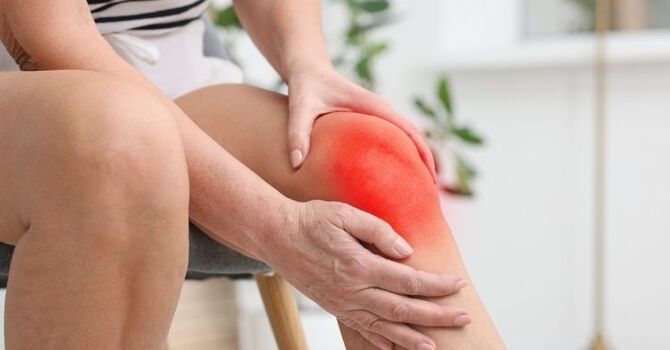
Runner's knee describes pain in the front of the knee, centered around the patella (kneecap), where it meets the femur (thigh bone). Despite the name, you don't have to be a runner to develop it. Research shows this condition affects a large share of the general population, and it's especially common among people who are active in running, cycling, hiking, or sports that involve repeated knee bending.
The pain typically develops gradually rather than from a single injury. It's considered a biomechanical, overuse-related condition, which means the way your body moves, not just the knee itself, is usually part of the problem.
What Causes Runner's Knee?
Several overlapping factors tend to contribute to patellofemoral pain syndrome:
- Muscle imbalances: weak quadriceps, hips, or glutes that fail to properly stabilize the kneecap
- Poor kneecap tracking: the patella shifting out of its groove during movement, creating friction
- Overuse and training errors: sudden increases in mileage, hill running, or inadequate rest between workouts
- Foot and gait mechanics: overpronation or abnormal stride patterns that place extra stress on the knee
- Tightness in surrounding tissue: restricted IT bands, hamstrings, or calves that pull on the knee joint
- Spinal and hip alignment issues: misalignment further up the kinetic chain that changes how weight is distributed through the legs
Because so many of these causes originate outside the knee itself, effective treatment usually needs to look at the whole body rather than the joint in isolation.
Common Runner's Knee Symptoms
Most people with runner's knee notice:
- A dull ache around or behind the kneecap
- Pain that worsens with squatting, kneeling, or descending stairs
- Stiffness after sitting for long periods
- A grinding or popping sensation with knee movement
- Swelling that comes and goes with activity
If these symptoms sound familiar, it's worth having the knee properly evaluated rather than trying to run through the discomfort, since untreated biomechanical issues tend to get worse with continued training.
How Is Runner's Knee Diagnosed?
A thorough evaluation typically combines a review of your activity history, a physical exam of knee alignment and range of motion, and functional movement testing such as squatting or single-leg balance. Practitioners often check hip and ankle mobility as well, since limited motion in either area can force the knee to compensate. Imaging like X-rays or an MRI usually isn't necessary for a straightforward case of patellofemoral pain syndrome, but it may be recommended if symptoms are severe or don't improve with conservative care.
Runner's Knee Treatment Options at Sutphin Chiropractic Acupuncture
Runner's knee generally responds best to a multi-pronged approach rather than a single fix. Here's how each treatment option available at our Apex clinic supports recovery.
Chiropractic Care and Spinal Alignment
Because misalignment in the spine, hips, or ankles can change how weight travels down through the legs, chiropractic care plays a central role in treating runner's knee. Gentle adjustments help restore proper joint mechanics along the entire movement chain, not just at the knee, which reduces the abnormal stress that's often driving the pain in the first place. Many patients also benefit from soft tissue work to release tightness in the muscles feeding into the knee joint.
Acupuncture for Pain and Inflammation
Acupuncture is a well-established complement to manual therapy for knee pain. By targeting points that influence circulation and the body's natural inflammatory response, acupuncture can help calm irritated tissue around the patella and support the healing process alongside other treatments.
Dry Needling for Muscle Tension
Tight quadriceps, IT bands, or hip muscles are a common driver of kneecap tracking problems. Dry needling targets these trigger points directly, helping release the muscular tension that pulls the patella out of alignment during movement. This can be especially useful for runners whose knee pain is tied to overuse in specific muscle groups.
Corrective Exercise and Movement Retraining
Strengthening the quadriceps, hips, and glutes helps the knee absorb impact the way it's designed to. A tailored exercise plan, combined with gait or movement analysis, addresses the underlying weaknesses and movement patterns that allowed runner's knee to develop, which also reduces the likelihood of it coming back once you're pain-free.
How Long Does Runner's Knee Take to Heal?
Recovery timelines vary depending on how long symptoms have been present and how consistently a treatment plan is followed. Many patients notice meaningful pain relief within a few weeks of starting care, with a return to full activity, including running, typically taking anywhere from six to twelve weeks. Sticking with prescribed exercises and gradually easing back into training, rather than returning to full mileage right away, makes a significant difference in long-term outcomes.
Tips to Prevent Runner's Knee From Returning
Once symptoms improve, a few habits go a long way toward keeping them from coming back:
- Increase running mileage gradually rather than in big jumps
- Keep up with hip and quad strengthening even after pain resolves
- Replace worn-out running shoes regularly
- Warm up before activity and stretch tight muscle groups afterward
- Address any lingering hip, ankle, or spinal alignment issues
When to See a Knee Pain Chiropractor in Apex, NC
If knee pain has been lingering for more than a couple of weeks, or keeps returning every time you resume running, it's worth getting evaluated by a knee pain chiropractor in Apex, NC rather than waiting it out. Catching the underlying biomechanical cause early tends to shorten recovery time and lowers the odds of the pain becoming chronic. You can learn more about our team's approach to musculoskeletal care on our about page.
Frequently Asked Questions
Is runner's knee the same as patellofemoral pain syndrome?
Yes. "Runner's knee" is the common name for patellofemoral pain syndrome, a condition involving pain around the kneecap that's linked to overuse and movement mechanics rather than a specific injury.
Can I still run with runner's knee?
Continuing to run through significant pain usually delays healing. Most practitioners recommend reducing or pausing running while addressing the underlying cause, then reintroducing mileage gradually as symptoms improve.
Do I need surgery for runner's knee?
Surgery is rarely needed. The vast majority of cases improve with conservative approaches like chiropractic care, targeted exercise, and soft tissue therapy.
What's the fastest way to relieve runner's knee pain?
Reducing aggravating activity, combined with manual therapy such as chiropractic adjustments or dry needling to address muscle tension and joint alignment, tends to bring the fastest relief. Ice and activity modification can also help in the short term.
Ready to Get Back to Pain-Free Movement?
Runner's knee doesn't have to sideline you indefinitely. With the right combination of chiropractic care, acupuncture, dry needling, and corrective exercise, most patients see steady improvement and a real return to the activities they enjoy. If knee pain has been holding you back, schedule a visit with our Apex, NC team to get a personalized treatment plan started.
.jpg)
