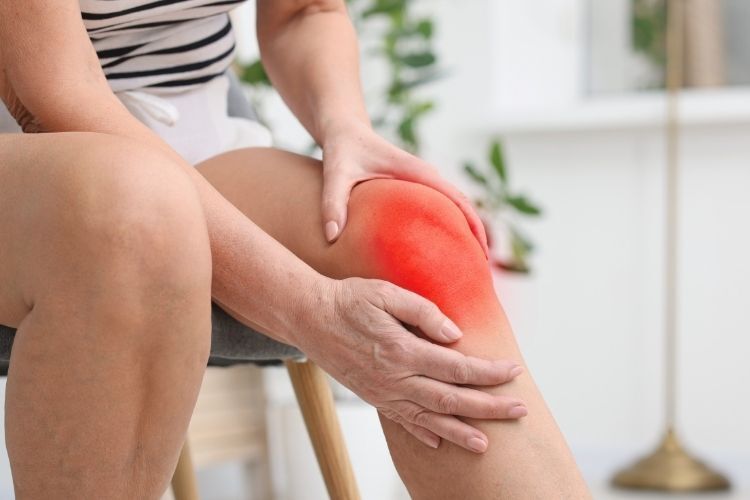
If your knee feels swollen, tender, or stiff after kneeling, running, or sitting too long, you may be dealing with knee bursitis. This common condition affects the small fluid filled sacs, called bursae, that cushion the joint and allow tendons and muscles to glide smoothly over bone. While rest and ice can ease mild flare ups, many people find that chiropractic care offers a more complete path to relief. At Sutphin Chiropractic Acupuncture in Apex, NC, patients often come in asking what causes knee bursitis and how to manage it long term, and the answer usually involves more than just the knee itself.
Knee pain of any kind can be disruptive. It changes how you walk, how you sleep, and how you get through a normal day at work or with your family. Understanding exactly what's happening inside the joint is the first step toward finding real relief instead of just masking the symptoms.
What Is Knee Bursitis?
Knee bursitis develops when one of the bursae around the joint becomes inflamed, swollen, and sometimes painful to the touch. There are more than a dozen bursae surrounding the knee, but a handful tend to cause the most trouble. The most commonly affected bursa sits just above the kneecap, which is why this condition is sometimes called prepatellar bursitis knee inflammation. It often shows up as:
- Swelling directly over or below the kneecap
- Warmth or redness around the joint
- Pain when kneeling, climbing stairs, or bending the knee
- A feeling of tightness that limits range of motion
- Mild aching that worsens with prolonged sitting or standing
Bursitis knee pain location matters here, and it's one of the first things a chiropractor will assess. Pain centered on the front of the kneecap points toward prepatellar bursitis, while discomfort on the inner side of the knee, just below the joint line, often signals pes anserine bursitis. A dull ache along the outer knee can sometimes point toward a different bursa altogether. Identifying the exact location helps guide the right treatment approach, since not every case of bursitis responds to the same plan.
What Causes Knee Bursitis
Understanding what causes knee bursitis is the first step toward lasting relief rather than temporary symptom control. The most frequent triggers include:
- Repetitive kneeling, common in flooring, gardening, or plumbing work
- Direct trauma or a fall onto the knee
- Overuse from running, jumping, or cycling
- Poor biomechanics in the hip, ankle, or foot that shift extra stress onto the knee
- Tight or weak muscles around the thigh and hip that change how the knee tracks
That last point is where chiropractic care becomes especially valuable. Many patients assume their knee pain starts and ends at the knee, but the joints above and below it often play a bigger role than expected. If the hips are misaligned or the ankle isn't moving correctly, the knee ends up absorbing forces it was never designed to handle. Over time, that added strain can irritate the bursa and keep inflammation from settling down, even after the original activity has stopped.
How Knee Bursitis Treatment Works with Chiropractic Care
Traditional knee bursitis treatment often focuses only on the inflamed area, using ice, anti-inflammatory medication, or a knee brace to control swelling. These approaches can calm symptoms temporarily, but they don't always address why the bursa became irritated in the first place. That's why so many patients feel better for a week or two, only to have the same swelling return once they go back to normal activity.
A chiropractic evaluation looks at the whole kinetic chain instead of isolating the knee. During a visit at Sutphin Chiropractic Acupuncture, Rebecca examines how the hip, knee, and ankle work together, checking for restrictions or imbalances that place uneven pressure on the joint. Gentle chiropractic adjustments to the hip and lower back can improve alignment and take pressure off the knee, while targeted soft tissue work helps reduce tension in the muscles surrounding the bursa. This combination tends to calm inflammation more effectively than rest alone, because it removes the ongoing mechanical stress that keeps the bursa irritated.
For many patients in Apex, Cary, and Raleigh, this combined approach shortens recovery time compared to icing and waiting things out. One patient who came in after months of kneeling during a home renovation project found that her knee bursitis symptoms improved significantly once her hip alignment and walking pattern were addressed, not just the swelling itself. Within a few weeks of consistent care, she was able to kneel again without the sharp, familiar ache returning.
Acupuncture as a Complementary Approach
Because Sutphin Chiropractic Acupuncture offers both chiropractic and acupuncture care under one roof, patients have access to a broader toolkit for managing inflammation. Acupuncture can support the body's natural healing response and may help ease the discomfort that comes with an irritated bursa, working alongside chiropractic adjustments rather than replacing them. Many patients appreciate having both options available in one place, since it removes the hassle of coordinating care between separate providers. This kind of integrated approach is one of the reasons patients explore the practice's full range of treatment options rather than sticking to a single method of care.
Knee Bursitis Exercises That Support Recovery
Movement matters, even when a joint is inflamed. The right knee bursitis exercises can strengthen the muscles that stabilize the knee without aggravating the bursa itself. Helpful options often include:
- Gentle quad sets performed without bending the knee
- Straight leg raises to build strength without joint compression
- Hip strengthening exercises like clamshells or side leg lifts
- Light stretching for the hamstrings and calves to reduce pulling on the knee
- Slow, controlled ankle circles to keep the joint below the knee moving freely
It's worth noting that not every exercise is safe during a flare up. Deep squats, lunges, and prolonged kneeling should generally be avoided until swelling has calmed down, since these movements place direct pressure on the inflamed bursa. A chiropractor can help determine which movements are appropriate at each stage of recovery, adjusting the plan as the knee improves and gradually reintroducing more demanding activity once symptoms settle.
How Long Does Knee Bursitis Last?
Patients frequently ask how long does knee bursitis last, and the honest answer is that it depends on the cause and how early treatment begins. Mild cases triggered by a single overuse event, like an unusually long day of kneeling, may resolve in a few weeks with rest and proper care. Chronic cases, especially those tied to ongoing biomechanical issues like hip misalignment or repeated kneeling at work, tend to linger or return again and again unless the underlying cause is corrected. This is exactly why addressing the whole body, not just the swollen area, tends to produce more lasting results than symptom management alone.
When to Seek Care
Most knee bursitis cases respond well to conservative treatment, but certain signs call for prompt evaluation beyond chiropractic care. Seek medical attention quickly if you notice:
- Significant redness or warmth that spreads across the knee
- Fever along with knee swelling
- Pain that worsens despite rest and ice
- Swelling that doesn't improve after a week or two
- Inability to bear weight on the affected leg
These symptoms can sometimes indicate a more serious issue, such as septic bursitis, which requires medical attention beyond what chiropractic care can address.
Finding Relief in Apex, NC
Knee bursitis can be frustrating, especially when it interferes with work, exercise, or simply getting through the day comfortably. The team at Sutphin Chiropractic Acupuncture takes a whole body approach to knee pain, looking beyond the joint itself to find and correct the root cause of inflammation. Whether your bursitis stems from repetitive kneeling, an old injury, or hip and ankle imbalances, a personalized treatment plan can help you move more freely again without relying on temporary fixes.
If knee swelling or stiffness has been slowing you down, schedule a consultation with Sutphin Chiropractic Acupuncture in Apex, NC today. Getting to the source of the problem, rather than just treating the symptoms, is the first step toward lasting relief.


.jpg)
